iLive provides project development and technology development services within the renewable energy sector, with specific expertise in biofuels and biomass processing.
iLive owns and operates projects in full during their initial stages and brings in strategic partners later in each project’s lifetime.
Commissioned in 2016, iLive Biofuel converts used cooking oil into biodiesel. The project connects restaurant oil collection with renewable fuel production, giving a useful second life to a material that would otherwise require disposal.
The development plan began with a 300,000-litre demonstration phase, with a longer-term ambition of producing 7 million litres per year. These figures describe the planned development stages, rather than confirmed annual production. The initiative supports a local biodiesel supply chain and helps keep used cooking oil out of inappropriate reuse in the food market.
Coega Biomass Centre produces wood pellets and wood chips for renewable energy applications from its facility in Gqeberha, South Africa. Its feedstock includes alien invasive plants and forestry residues, connecting biomass processing with a more circular use of resources.
The centre also supports industrial customers moving from fossil fuels to biomass through collaboration with boiler engineering partners. On its website, the centre reports that in 2025 it produced 28,500 tonnes of wood pellets, reduced 77,300 tonnes of CO₂ and created 75 direct jobs. These are the centre’s reported results for that year.
Stewards of Nature develops practical business models for ecosystem restoration. Its work connects invasive plant clearing with water recovery, the return of native biodiversity and value creation from harvested biomass.
The initiative focuses on landscapes where restoration can make a meaningful difference, including wetlands, river corridors and water catchments. Local teams remove invasive biomass so indigenous vegetation and natural water systems can recover. Its first operating project is in Gqeberha, South Africa, where it works with local partners to bring ecological restoration and economic viability together. Businesses can participate through water, biodiversity or combined restoration programmes.
Cape Carbon helps industrial manufacturers in Southern Africa replace heavy fuel oil, paraffin or diesel with wood pellets for steam and heat generation. Its offering combines boiler conversion with an ongoing biomass fuel supply, helping customers manage the practical steps of switching fuels.
A joint venture between Coega Biomass Centre and DreamTech, Cape Carbon links engineering support with access to renewable biomass. Customers can visit its test room to see a converted boiler operating on pellets and explore whether the approach suits their own operations. The aim is to lower energy costs and emissions through a coordinated conversion and supply solution.
Women in Biodiesel is a supplier development initiative designed to strengthen women-owned businesses in South Africa’s biodiesel supply chain. It covers used cooking oil collection, conversion into biodiesel and access to commercial fuel markets.
The initiative combines business acceleration support, biodiesel technology and market access. It is intended for women-owned enterprises already collecting used cooking oil or producing biodiesel, as well as businesses seeking to expand into these activities. By connecting entrepreneurial support with technology and buyers, the programme aims to build commercially viable businesses and a more inclusive renewable fuel sector.
Tyre Energy Extraction explores pyrolysis as a route for recovering useful materials and energy from waste tyres. The process heats whole or shredded tyres in an oxygen-free reactor, breaking down rubber into smaller compounds.
Products can include liquid fuel, combustible gas and solid materials such as steel and carbon-rich residues. The opportunity lies in turning a difficult waste stream into resources for further use. Successful implementation depends on appropriate engineering, emissions control, product markets and regulatory compliance. iLive’s existing project page explains the technology and the commercial and practical barriers that affect its wider adoption.
GreenCuisine is a national brand and franchise concept designed to coordinate small and medium enterprises within the biodiesel sector. Its model aims to combine a national footprint with consistent service delivery and shared quality standards.
The existing project description outlines a biodiesel export off-take agreement and a national supply contract as part of the franchise opportunity. The initiative seeks to make cooperation between SMEs and iLive more inclusive and commercially sustainable. It also connects with Women in Biodiesel, offering a framework for stakeholder participation and development across the renewable fuel supply chain.
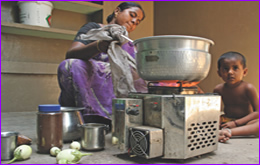
iLive’s Clean Cooking Stoves work explores biomass pellet stoves as an affordable alternative to traditional cooking fuels and open fires. It connects household cooking needs with the opportunity to turn green waste into useful pellet fuel.
The approach brings together biomass processing, local fuel supply and stove technology. The existing iLive technology page describes the potential for green waste streams to support cleaner and more affordable household cooking. This project highlights how a circular biomass supply chain could create value both upstream, through waste processing, and downstream, through practical household energy applications.